
Quick Summary: Houston lawns need a gradual fall transition, not a summer routine, to avoid disease, weeds, and winter damage. Cut irrigation to about half of summer levels, mow higher within your grass's range, and make your last nitrogen application by early September, six weeks before the first frost. Fix drainage issues early, apply a pre-emergent for winter weeds, and monitor for brown patch and pests. Ventura Landscape builds these checklists around your specific grass type, so nothing gets skipped.
A Houston lawn can look flawless in September and turn patchy after a few cool nights. St. Augustine, Bermuda, and Zoysia each react differently to shorter days, cooler soil, humidity, and the odd cold snap.
Keep watering like it's August, mow too low, or feed with nitrogen too late, and you invite disease, weeds, and winter injury.
This fall lawn care checklist shows what to do first, what to delay, and what to stop before grass dormancy prep begins. We'll cover irrigation, mowing, soil, fertilizer, weeds, pests, leaves, and drainage. Tasks are ordered by turf impact, seasonal timing, and how costly a mistake becomes once your lawn goes dormant.
Adjust each step for your grass type, shade, soil, and rainfall, and your Houston lawn care routine will carry the lawn into spring strong.
Table of Contents
Houston Fall Lawn Care Checklist at a Glance
| Task | Best for | Typical timing | Main benefit | Key caution |
|---|---|---|---|---|
| Assess Your Grass and Set a Fall Plan | Every Houston lawn, especially mixed or stressed turf | Late summer through early fall | Prevents one-size-fits-all mistakes | Do not diagnose death from color alone |
| Reduce Irrigation Gradually | St. Augustine, Bermuda, and Zoysia lawns | As temperatures fall below summer levels | Lower disease and root-rot risk | Do not follow a fixed summer schedule |
| Adjust Mowing Height and Frequency | All actively growing warm-season turf | Throughout fall until growth nearly stops | Protects leaf tissue and root reserves | Never remove more than one-third at once |
| Complete a Soil and Drainage Check | Compacted, high-traffic, or poorly draining lawns | Early fall while turf can recover | Improves root-zone air and water movement | Do not disturb soil indiscriminately after herbicide applications |
| Make the Final Fertilizer Decision | Lawns with confirmed nutrient needs | Late summer to early fall, before the cutoff | Supports winter reserves when correctly timed | Late nitrogen can increase disease and winter injury |
| Prevent Winter Weeds and Monitor Disease | Thin turf and lawns with recurring weed or disease history | Early fall, triggered by soil and weather conditions | Reduces winter weed and disease pressure | Follow labels and distinguish dormancy from disease |
What to Know About Fall Lawn Care in Houston
Houston lawns run on warm-season grasses: St. Augustine, Bermuda, and Zoysia. As days get shorter and soil temps drop, these grasses slow down and start drifting toward winter dormancy.
That doesn't mean fall is a free pass. It's actually the season that decides how well your lawn wakes up in spring.
The goal right now is a gradual transition. You want to cut disease pressure, crowd out winter weeds, and protect the roots your turf will rely on until March. A few smart moves this month save you from a thin, weedy lawn next year.
It also matters for looks. In neighborhoods like River Oaks and West University Place, the lawn is part of the front door. Keep it presentable through the season and you stay ready for anything.
Ventura Landscape builds these fall checklists around your specific grass type, so nothing gets skipped. Here's what to do before your grass goes dormant.
1. Assess Your Grass and Set a Fall Plan
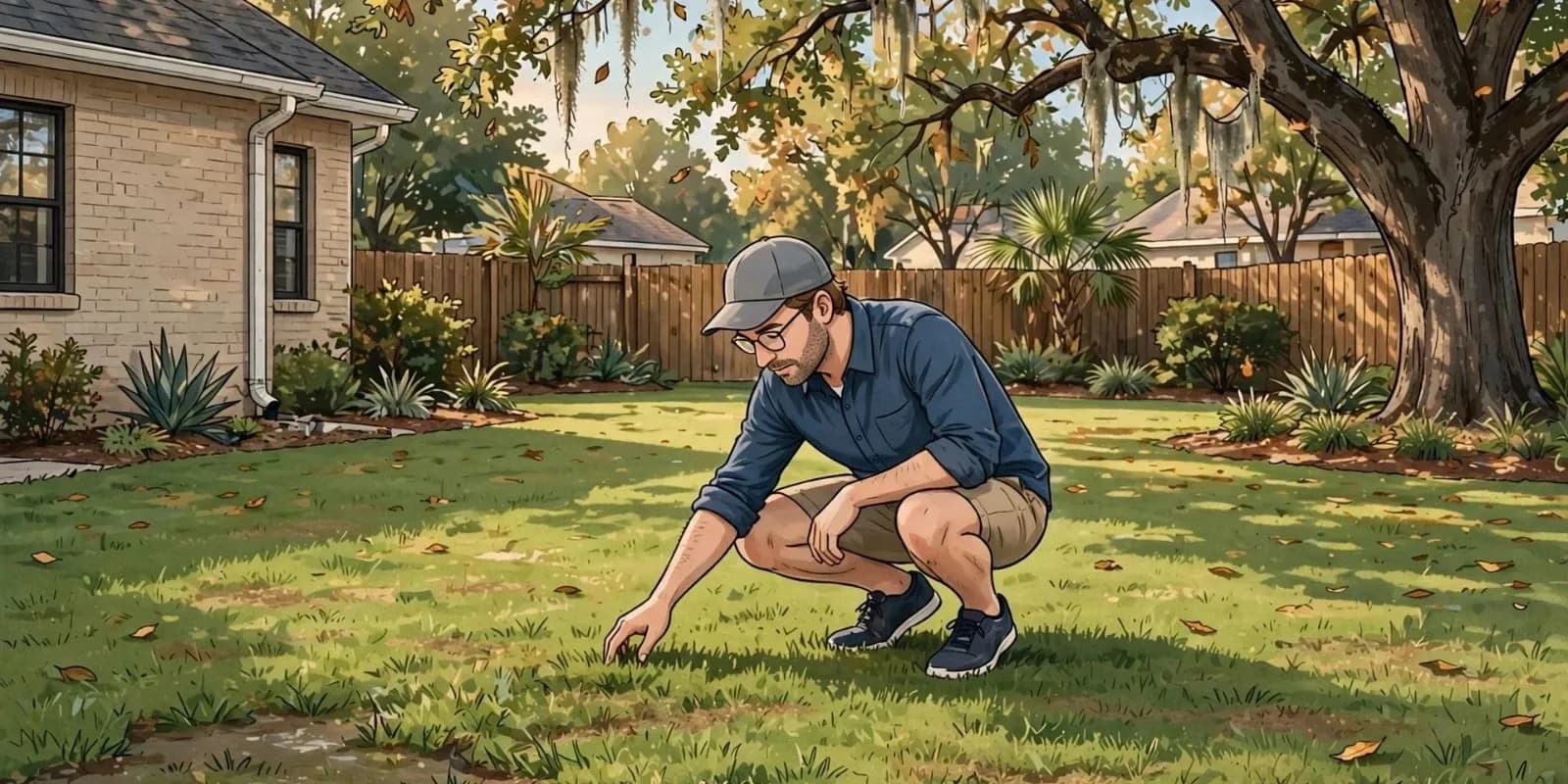
Start with the lawn you actually have, not a generic seasonal schedule. Houston yards hold St. Augustine, Bermuda, or Zoysia, and each one goes dormant on its own clock.
Walk the turf, note sun, shade, drainage, and thin spots, then set a plan that follows real growth.
Highlights
- Identify your dominant warm-season grass before changing mowing height or applying products
- Photograph thin or discolored areas now so you can compare them during spring green-up
- Separate uniform seasonal color change from irregular disease, pest, or traffic damage
- Flag areas under trees, beside foundations, and in low spots for separate attention
- Watch soil moisture and the forecast rather than a single calendar date
Specs
- Best for: Every Houston lawn, especially mixed or stressed turf
- Timing: Late summer through early fall
- Main benefit: Prevents one-size-fits-all mistakes
- Key caution: Do not diagnose death from color alone
Pros
- Creates a clear baseline for the season
- Helps separate normal dormancy from active problems
Cons
- Requires careful observation
- Some problems need professional diagnosis
Every other item on this list depends on knowing your turf first, so a correct assessment keeps you from wasting fertilizer, herbicide, or irrigation on the wrong problem.
Ventura Landscape starts every fall program with this same turf-by-turf review in West University, River Oaks, and Bellaire yards.
2. Reduce Irrigation Gradually
Shorter days, cooler nights, and fall rain all cut your lawn's water needs. Fall water demand for Houston lawns drops to about half of summer levels, so keep watering for need, not habit.
Texas A&M Extension notes fall water requirements are roughly half to three-quarters of summer rates, and irrigation can be shut off once warm-season turf goes dormant, since brown patch thrives in cool, wet conditions.
Highlights
- Cut irrigation as temperatures and growth decline (AgriLife guidance says water only when needed)
- Water early so blades dry; check sprinkler heads for overspray and breaks
Pros
- Conserves water
- Lowers brown patch and root-rot risk
Cons
- Watch for drought after dry spells
It ranks here because overwatering is the easiest mistake to make during the fall in Houston.
Also read: Spring Prep Checklist for Houston Lawns
3. Adjust Mowing Height and Frequency
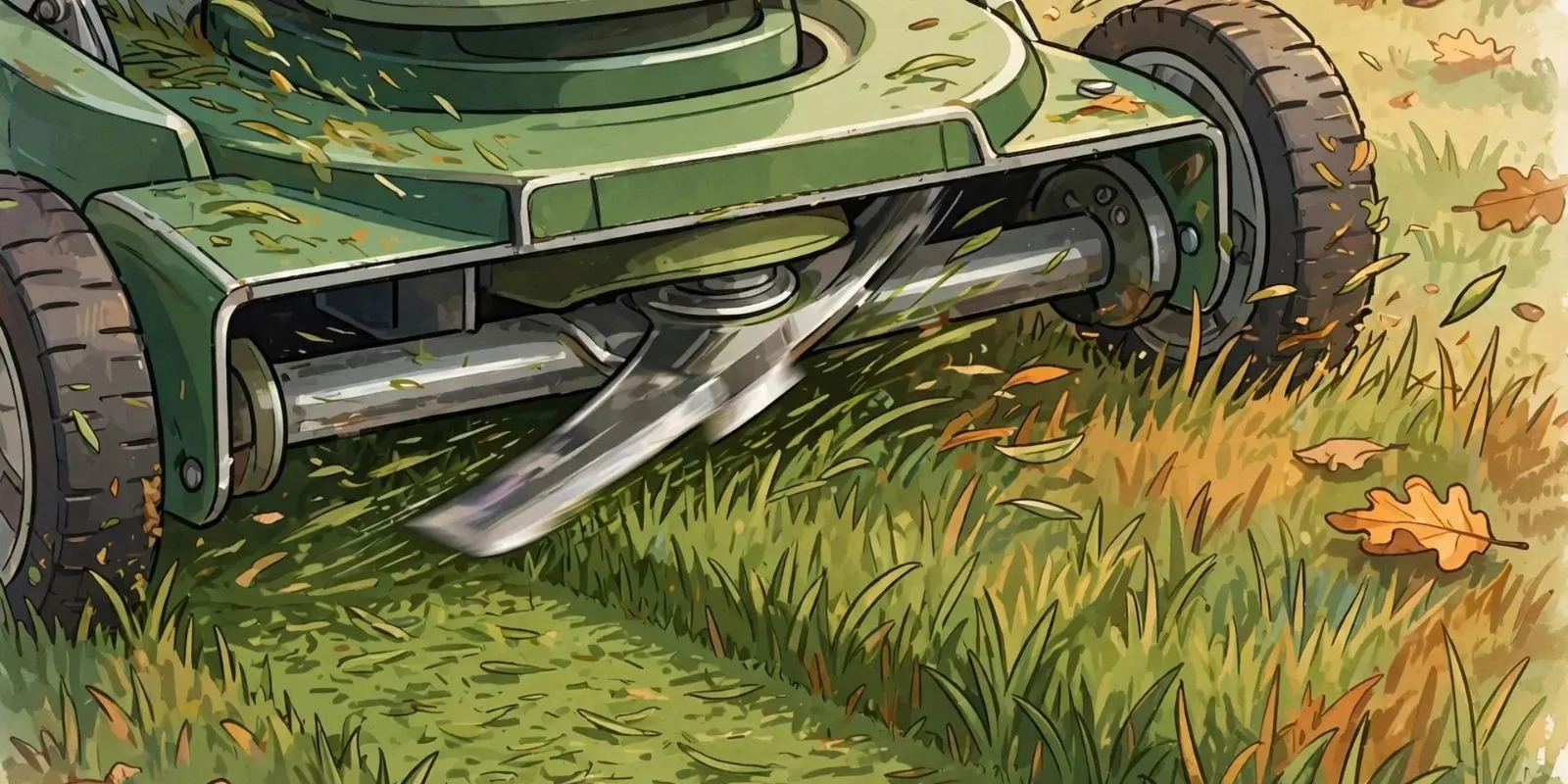
Mow less often as growth slows, but never scalp before dormancy. Keep mowing while the lawn is actively growing, then stretch the interval as fall wears on.
A slightly higher cut within your grass's range protects leaf area and root reserves going into winter.
Highlights
- Sharpen blades so you avoid shredded leaf tips and extra stress. See Texas A&M's mowing guidance for grass-specific heights.
- Raise the height modestly without exceeding the recommended range.
- Keep Bermuda and Zoysia within their normal ranges; keep St. Augustine toward the taller end.
- Follow the one-third rule and never cut wet or fully dormant turf.
Pros
- Supports a stronger transition into dormancy
- Improves the finished look of the lawn
Cons
- Grass-specific height decisions take some care
- Wet conditions can complicate timing
Specs
- Best for: All actively growing warm-season turf
- Typical timing: Throughout fall until growth nearly stops
- Key caution: Never remove more than one-third of the blade at once
It ranks here because mowing directly controls stored energy, disease entry, and how fast your lawn recovers in spring.
4. Complete a Soil and Drainage Check
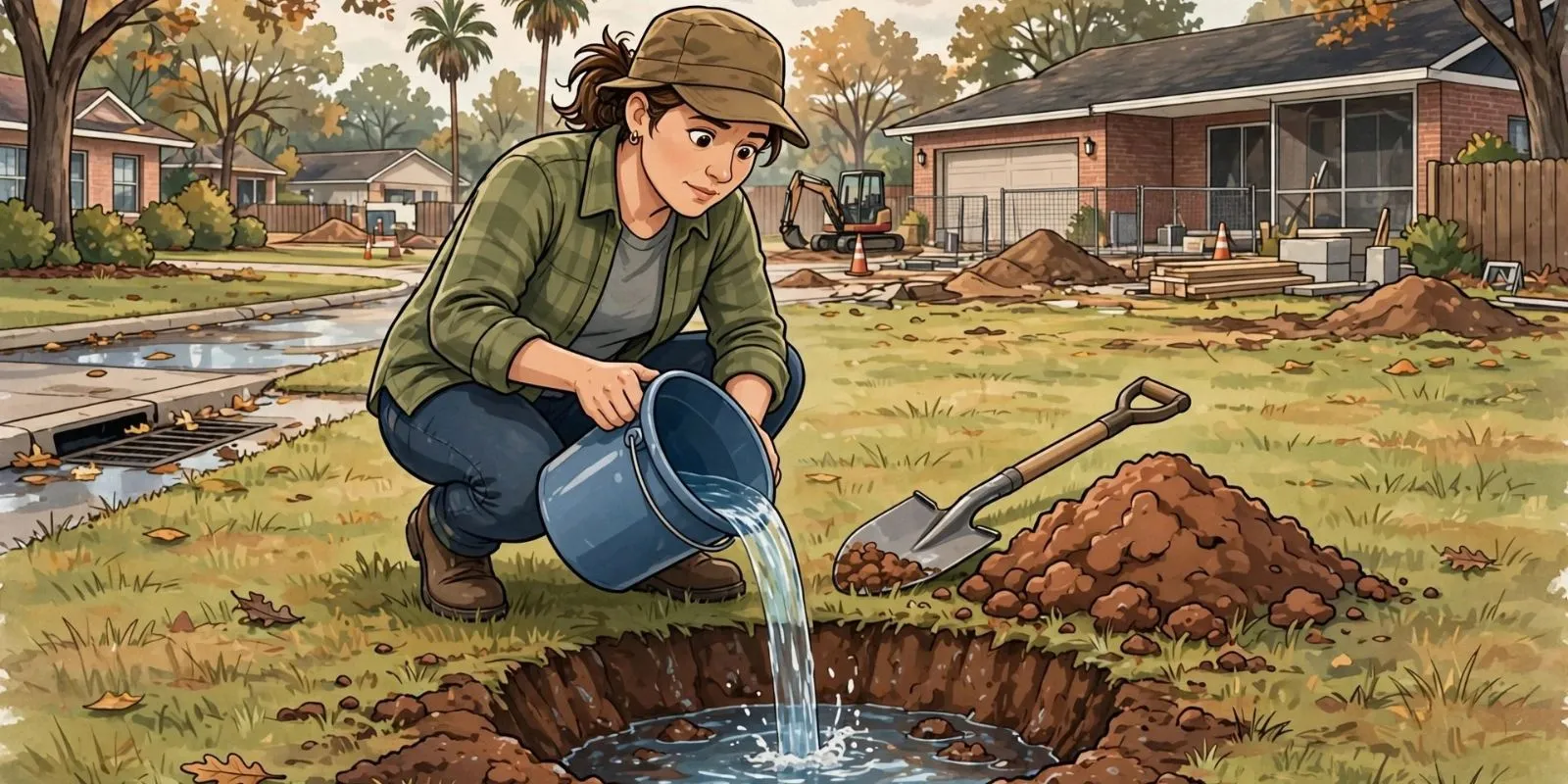
Houston's clay-heavy soils, summer foot traffic, construction work, and storm runoff often leave lawns compacted or slow to drain. Fall is the time to find those problems, while grass can still recover.
Root-zone issues explain recurring thin spots better than anything you see on the surface.
Highlights
- Look for standing water after rain or irrigation; slow drainage often signals compaction or high clay content (Maryland Extension)
- Probe compacted spots with a rod and compare them with healthy soil
- Run a soil test before adding phosphorus or any fertilizer you don't need
- Fix severe drainage problems before you replace any turf
Specs
- Best for: Compacted, high-traffic, or poorly draining lawns
- Typical timing: Early fall while turf can still recover
- Main benefit: Improves root-zone air and water movement
Pros
- Targets the underlying cause, not just symptoms
- Makes future watering and feeding more precise
Cons
- Aeration isn't right for every lawn or condition
- Major drainage fixes may require a separate project
Why it ranks here: fixing the cause of thin, soggy turf beats treating the same patches every season.
5. Make the Final Fertilizer Decision
Feed based on soil and timing, not a desire to force late-season green.
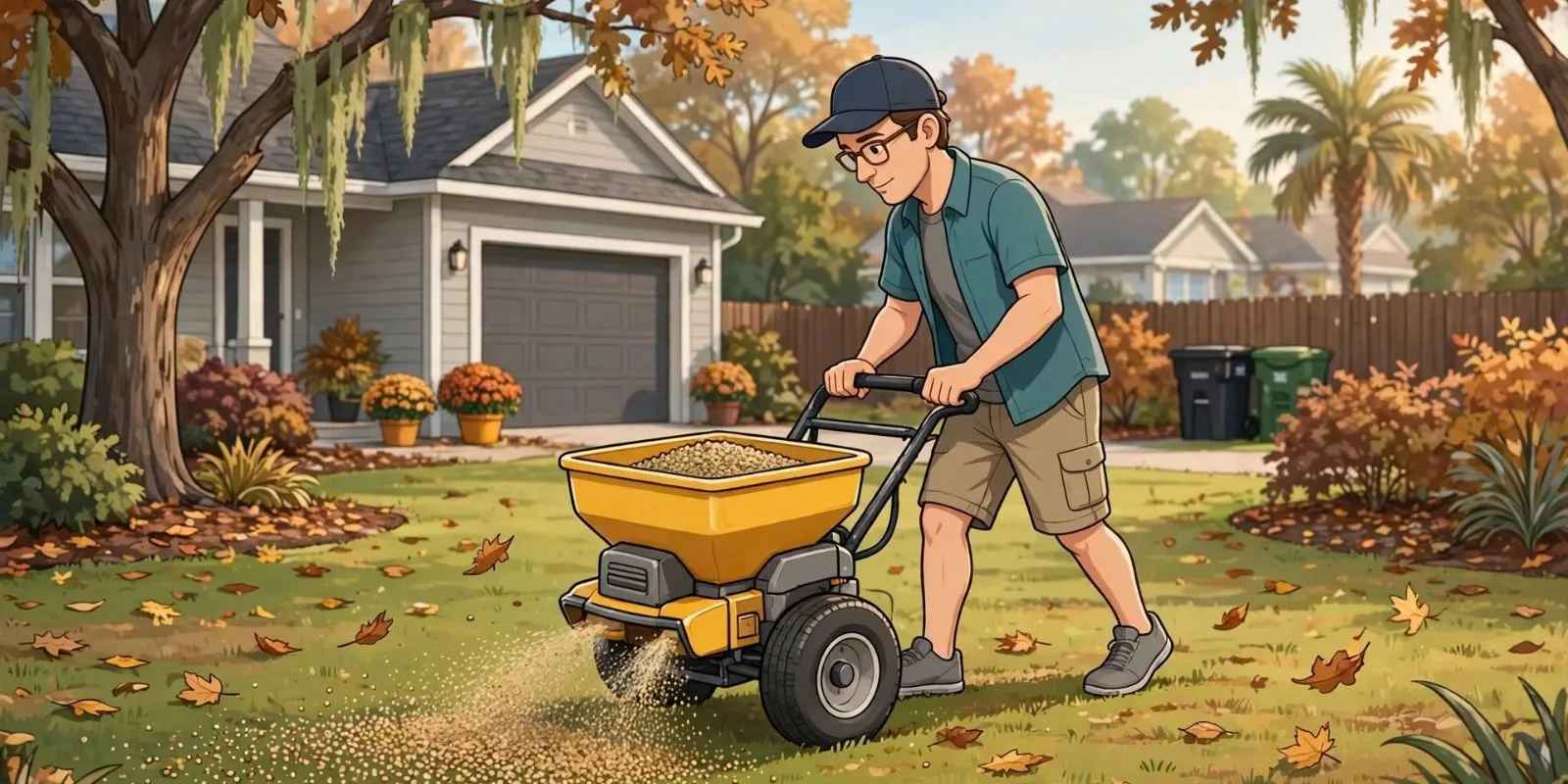
Texas A&M AgriLife advises making your last nitrogen application no later than six weeks before your area's historical first frost, which lands around September for most of Houston. Late nitrogen pushes tender growth that invites disease, winter weeds, and even runoff into local waterways.
Highlights
- Start with a soil test to confirm what your lawn actually needs.
- Skip the application if growth is still strong and nutrient levels are adequate.
- Blow stray granules back onto the grass, never toward hardscape or storm drains.
Specs
- Best for: Lawns with confirmed nutrient needs
- Timing: Late summer to early fall, before the six-week cutoff
Pros
- Can improve spring recovery when justified
- Encourages evidence-based nutrient management
Cons
- Timing shifts year to year and site to site
- Wrong product or late timing can do more harm than good
It ranks here because a mistimed fall application weakens dormancy prep, while a correctly timed one builds the reserves your lawn draws on in spring.
6. Prevent Winter Weeds and Monitor Disease
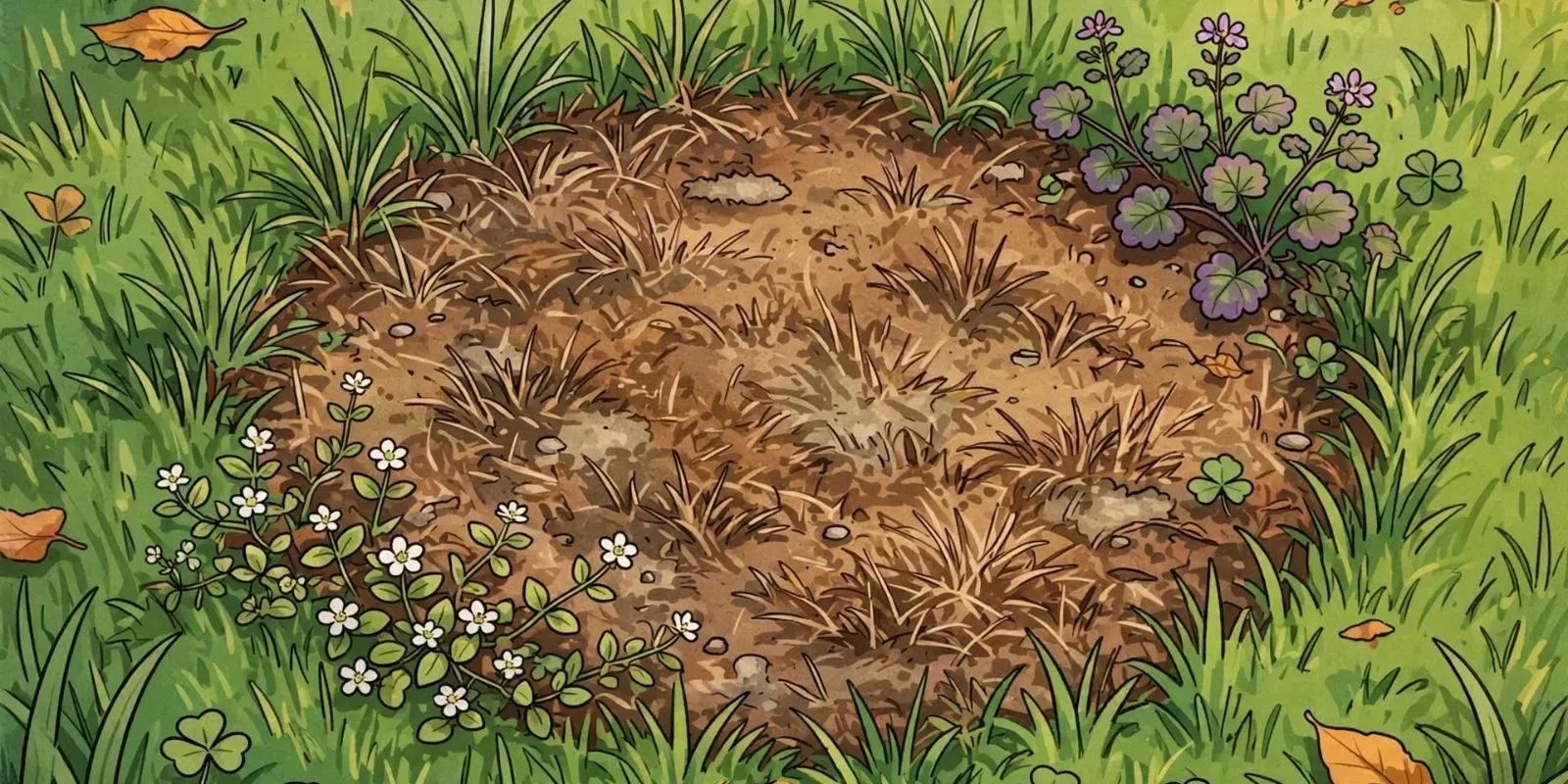
As your St. Augustine or Zoysia lawn slows down, weeds move in fast. Thin spots become open real estate for annual bluegrass, chickweed, and henbit.
A well-timed fall pre-emergent, applied before seeds germinate, is your best defense.
Highlights
- Apply a label-compliant pre-emergent before target weeds sprout, typically in early fall.
- Avoid overwatering; prolonged leaf wetness feeds brown patch, a common fall lawn disease in Houston.
- Never treat newly installed or stressed turf without checking product restrictions first.
Specs
- Best for: Thin turf and lawns with recurring weed or disease history
- Typical timing: Early fall, triggered by soil temperature and weather
Pros
- Prevention beats winter correction
- Protects spring density and curb appeal
Cons
- Application window can be narrow
- Some products restrict certain grass types
Spot an expanding circular patch or odd lesions? Document it and get a diagnosis before treating — not every brown area is dormancy.
That's why weeds and disease rank here: they spread fastest when your grass can't compete.
Additional Fall Lawn Care Tasks
Once the core turf decisions are handled, these supporting tasks help protect the broader property and keep its finish intact through winter.
- Inspect for Fall Armyworms and Other Pests: Check for overnight brown patches, chewed blades, chinch bugs, and other activity before treatment decisions are made.
- Manage Leaves and Organic Debris: Remove or mulch leaves before they mat the turf, trap moisture, or diminish the property's appearance.
- Protect Irrigation and Prepare for Cold Snaps: Review exposed pipes, controllers, backflow components, and freeze-sensitive plants before a hard freeze.
- Schedule a Professional Seasonal Visit: A coordinated visit can combine mowing, edging, cleanup, weed control, fertilization review, and property inspection.
How to Choose the Right Fall Lawn Care Approach
Your grass type sets the baseline. St. Augustine needs a higher cut (around 3 to 4 inches) and is prone to fungus, so never scalp it in fall. Bermuda handles sun and foot traffic better, while Zoysia sits between the two and rewards sharp blades and steady moisture.
Then let the lawn's condition tell you what comes first:
- Fix recurring wet spots and drainage problems before any cosmetic work.
- Treat bare patches and disease rings early — they spread through fall's warm, humid days.
- Skip fertilizer schedules based on the calendar. Use actual growth rate, soil moisture, and the forecast instead.
- Call in professionals for anything needing diagnosis, calibrated sprays, irrigation tweaks, or drainage work on a large property.
For high-end homes with luxury landscapes, judge the whole finish: crisp edging, clean bed lines, leaf removal, and secure gates matter as much as turf health.
That consistency is where Ventura Landscape stands out. We handle weekly lawn maintenance, tree care, and landscape design across West University Place, River Oaks, and Bellaire.
While it's all fresh, write down weak areas and shade changes. Fall notes make spring planning easy.
Don't let your St. Augustine lawn fade into winter unprotected. Ventura Landscape handles fall prep, winterizing, and weekly care for Houston's finest properties. Contact us today for a free consultation.
Frequently Asked Questions
What should I do to prepare my Houston lawn for fall?
Mow slightly lower, apply a fall fertilizer, treat fire ants, water deeply but less often, and clear leaves before they smother your St. Augustine.
When does grass go dormant in Houston?
Most warm-season grasses slow down in late November and go fully dormant after the first frost, usually December.
How do I know if my Houston lawn is dormant or dead?
Pull a handful of blades. Dormant grass stays tan and flexible at the crown; dead grass pulls up easily and feels brittle.
Should I fertilize before dormancy?
Yes. A light, slow-release feeding in October stores energy for a stronger spring green-up.